You can turn building surfaces into electricity generators without sacrificing form or function. Bold integrated solar products replace or become parts of your roof, façade, or windows, so they produce power while serving structural and aesthetic roles—reducing energy use at the point of demand and lowering your building’s carbon footprint.
Explore how these technologies work, where they fit best, and practical design choices that match performance with appearance. Expect clear comparisons between retrofit and fully integrated options, real-world application examples, and design strategies that help you evaluate cost, energy yield, and aesthetics for your project.
Understanding Building Integrated Solar
Building integrated solar embeds electricity-generating materials into roof, façade, or window components so your building both produces power and performs a structural or aesthetic function. Expect differences in form factor, energy yield, and installation constraints compared with rack-mounted PV.
Definition and Key Principles
Building-integrated solar (BIPV) replaces or becomes part of conventional building materials—such as roof tiles, curtain walls, and glazing—so the solar element serves dual roles: energy generation and building envelope function. You should treat BIPV components as part of the building’s waterproofing, thermal envelope, and fire/resistance strategy, not just as electrical equipment.
Key engineering principles include:
- Orientation and tilt: you must optimize component placement for site solar access, often constrained by façade angles or roof pitch.
- Thermal and optical trade-offs: semi-transparent modules balance daylighting with generation; opaque modules contribute to shading and thermal mass.
- Electrical integration: incorporate inverters, wiring, and protection into the building’s electrical design and maintenance access plans.
Types of Building Integrated Solar Systems
You will encounter several common BIPV types tailored to different building functions:
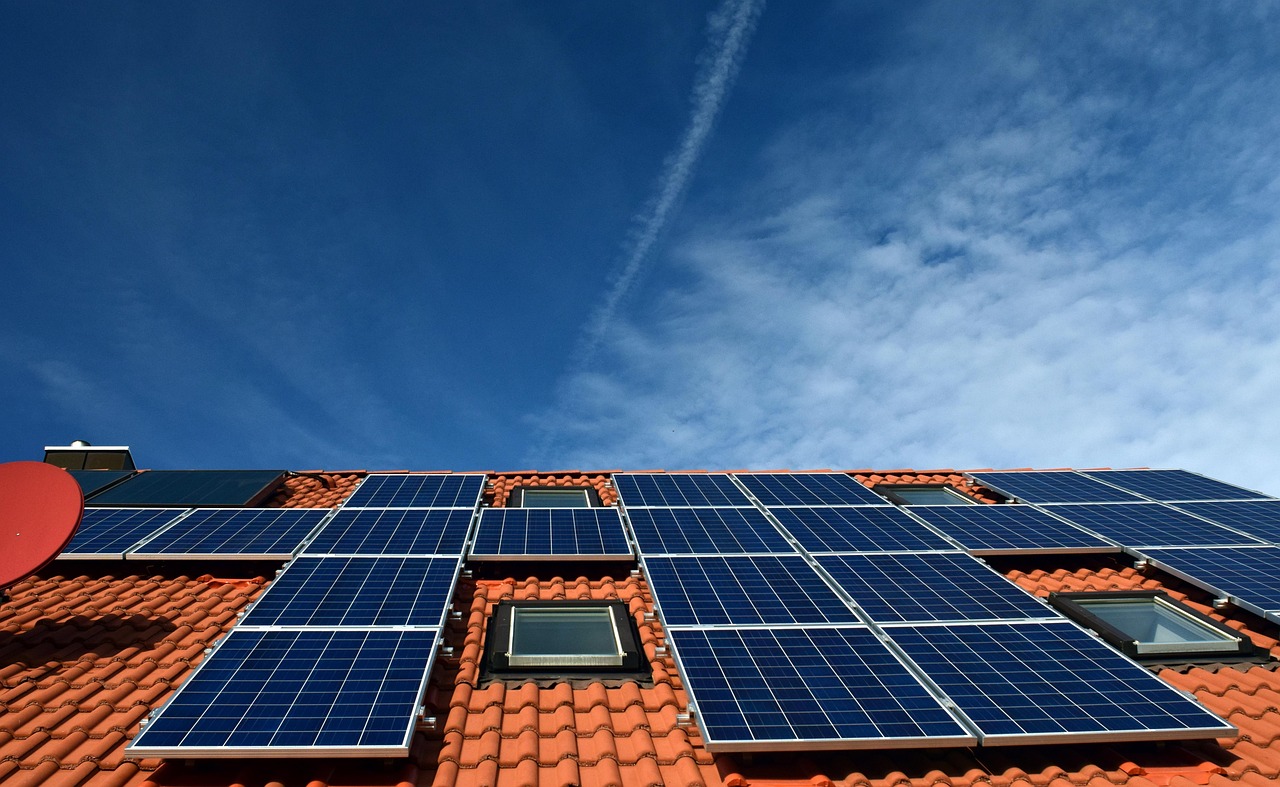
- Roof-integrated modules: solar shingles or tiles that replace conventional roofing materials; they need compatible underlayment and flashing.
- Façade and curtain-wall modules: rigid or flexible PV panels integrated into cladding systems; consider wind loads and attachment details.
- Solar glazing and semi-transparent PV: photovoltaic glazing for windows or skylights; they reduce visible light transmission while producing electricity.
- Bifacial panels used in vertical installations: capture reflected light from nearby surfaces, increasing yield on some façades.
Selection factors to weigh: module efficiency versus aesthetic goals, fire and wind-code compliance, mounting and sealing details, and maintenance access. You must check product certification for building code, thermal performance, and fire rating before specifying.
Advantages Compared to Traditional Solar Installations
BIPV delivers multiple benefits that affect design, cost, and lifecycle performance for your project.
- Space efficiency: integrates generation into envelope materials, saving rooftop real estate for mechanical equipment or landscaping.
- Aesthetics: offers cleaner visual integration; you can match color, texture, or translucency to design intent, reducing visual impact compared with rack-mounted arrays.
- Material substitution and potential cost offsets: BIPV can replace conventional cladding or glazing, offsetting some material and labor costs, though unit PV costs may be higher.
- Energy and building performance synergies: properly specified BIPV can reduce heating/cooling loads by shading or improving envelope insulation while generating electricity.
Limitations you must consider include typically higher upfront cost per watt, lower ease of serviceability, and sometimes reduced peak energy yield due to non-optimal orientation or shading.
Applications and Design Strategies
This section explains practical ways you can integrate solar into building elements, optimize performance through siting and systems choices, and learn from built projects that show trade-offs and measurable results.
Architectural Integration for New and Existing Buildings
You can treat photovoltaic materials as primary building components—roof tiles, curtain walls, and window glazing—so they replace conventional cladding rather than sit on top of it.
For new construction, coordinate PV module dimensions, mounting interfaces, and wiring runs with the architect and structural engineer during schematic design to avoid costly retrofits.
On existing buildings, prioritize façades and shading devices when roof area is limited.
Use lightweight, frameless BIPV panels or semi-transparent units for curtain-wall replacements to reduce added dead load and preserve daylighting.
Pay attention to fire ratings, wind loads, and maintenance access.
Specify modules with compatible attachment systems and ensure serviceable inverter and combiner locations to keep long-term O&M practical.
Design Considerations for Maximum Efficiency
Orient PV surfaces to maximize annual incident irradiance given site constraints; façades often benefit from vertical-optimized modules or bifacial cells to capture reflected light.
Calculate expected energy yield with hourly simulation tools that include shading from neighboring buildings, trees, and self-shading from roof parapets.
Choose module type to match the performance goal: monocrystalline for highest efficiency, thin-film or semi-transparent for integrated daylighting applications.
Specify inverter type (string, micro, or DC-optimizer) based on array layout and expected partial shading to improve real-world output.
Integrate thermal and electrical systems where possible—BIPV/T can recover heat for space heating or preheating domestic hot water.
Plan for row spacing, tilt (if applicable), and ventilation behind modules to prevent overheating and preserve efficiency.
Case Studies of Successful Implementation
Look at mixed-use towers that used façade-integrated crystalline panels to supply 10–20% of annual site energy while maintaining glazed area for views.
A university retrofit replaced south-facing curtain wall panels with semi-transparent PV, yielding measurable midday generation without compromising interior daylighting.
Municipal projects often combine rooftop BIPV and canopy units to meet local renewable energy targets and showcase public commitment.
Review performance monitoring reports to compare modeled vs. actual production, inverter downtime, and degradation rates before adopting a similar spec.