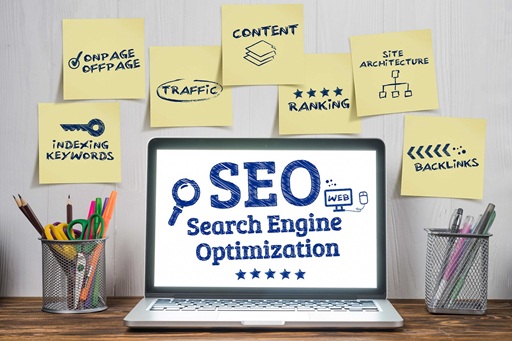
You want an SEO agency that turns search visibility into measurable business results, not just higher rankings. A strong agency combines technical SEO, content strategy, and targeted link-building to drive qualified traffic and grow your revenue.
This article walks through the core services seo agencies deliver and how to evaluate their methods, transparency, and fit with your goals. Expect practical tips for comparing proposals, spotting inflated promises, and choosing a partner that aligns with your budget and growth timeline.
Core Services and Solutions
You’ll get focused improvements to content relevance, site health, and authority signals that directly affect rankings and organic traffic. Each service targets measurable issues: keyword intent and HTML structure, crawlability and page performance, and high-quality backlinks.
On-Page Optimization Strategies
You’ll start by aligning pages to user intent and high-value keywords. That means mapping keywords to specific pages, writing descriptive title tags (50–60 characters) and meta descriptions (120–155 characters), and using H1–H3 headings to reflect query structure.
Optimize content length and format for the query type: transactional pages need clear CTAs and price/schema; informational pages require thorough answers, scannable subheads, and internal links to related topics. Use structured data (product, article, FAQ) to improve SERP features and CTR.
Pay attention to image optimization: descriptive filenames, alt text, and responsive images with proper sizes. Implement canonical tags to avoid duplicate content and ensure consistent URL structures. You should run content audits monthly to remove thin pages and consolidate similar topics.
Technical SEO Auditing
You’ll identify and fix crawlability, indexability, and performance issues that block search engines. Begin with a site-wide crawl to locate 4xx/5xx errors, redirect chains, hreflang problems, and orphaned pages. Prioritize fixes by organic traffic impact and crawl frequency.
Speed and Core Web Vitals matter; optimize server response, compress images, enable caching, and minimize render-blocking resources. Check mobile usability and responsive breakpoints across devices; mobile-first indexing means mobile errors often cause ranking drops.
Review robots.txt and XML sitemaps for completeness and accuracy. Verify canonicalization, pagination, and structured data validity. Track audit items in a ticketing system and re-audit after major releases to prevent regressions.
Link Building Approaches
You’ll focus on acquiring relevant, high-quality backlinks that signal topical authority. Start with a backlink audit to remove toxic links and identify content gaps where competitor links point. Use outreach to secure links from industry publications, suppliers, partners, and niche blogs.
Employ content-led tactics: create original research, data visualizations, long-form guides, and tools that attract editorial links. Use guest posts selectively, prioritizing sites with topical relevance, organic traffic, and clear editorial policies. Track link metrics: domain authority proxies, referral traffic, and changes in keyword rankings.
Diversify acquisition methods: digital PR for newsworthy angles, resource page outreach, and targeted influencer collaborations. Monitor anchors and placement context to ensure natural linking. Report outcomes with link quality scores and the impact on organic visibility.
Choosing the Right Partner
You need an agency that demonstrates technical skill, measurable outcomes, and transparent pricing. Focus on concrete proof: past performance on similar sites, clear reporting methods, and a pricing structure that aligns with your budget and goals.
Evaluating Agency Expertise
Ask for specific examples of work that match your industry, site size, and growth stage. Request a breakdown of the technical skills they use — on-page optimization, site architecture fixes, crawl error resolution, structured data implementation, and server-side performance tuning — and ask which team members execute each task.
Check certifications and tool access (e.g., Google Search Console, GA4, Screaming Frog, ahrefs/SEMrush). Verify they perform regular technical audits and have an SEO roadmap that includes content strategy, link acquisition policies, and velocity expectations. Prefer agencies that publish case studies with before/after metrics and clearly explain their methodology.
Assessing Client Results
Demand quantitative results tied to business KPIs: organic traffic, leads or revenue from organic channels, conversion rate changes, and tracked keyword movement. Request at least two anonymized case studies showing baseline metrics, interventions, timelines, and outcomes.
Validate results by asking for references you can contact. Look for recurring patterns: steady growth over several months, recovery from algorithm hits, or measurable improvements after technical work. Beware of agencies that show only vanity metrics (rankings without traffic or conversions) or that cannot attribute outcomes to specific actions.
Understanding Pricing Models
Clarify whether pricing is hourly, retainer, project-based, or performance-based, and map each model to expected deliverables and timelines. For retainers, get a service-level agreement (SLA) listing monthly tasks, reporting cadence, and a change-request process.
Ask how they handle scope creep, third-party costs (tools, content, outreach), and contract length. Compare value by estimating cost per expected outcome — for example, cost per incremental organic lead or month-to-month cost to reach target traffic. Insist on transparent invoices that separate labor, tool subscriptions, and one-off project fees.