When a leak, clog, or noisy heater interrupts your day, you need a reliable plumber near fast — someone licensed, local, and ready to fix the problem without surprises. Use simple checks like license status, recent reviews, and clear pricing to find a qualified professional near you who can respond quickly and do the job right.
This article Plumbers Near Me walks you through how to verify credentials, compare quotes, and match services to your home or business needs so you can make confident choices. Expect practical tips on common residential and commercial repairs, what questions to ask, and how to avoid unnecessary costs so your next plumbing call goes smoothly.
How to Choose a Licensed Plumbing Professional
Verify credentials, check insurance, read recent customer feedback, compare the specific services offered, and understand how pricing breaks down so you can pick a licensed plumber who meets safety, quality, and budget expectations.
Verifying Credentials and Insurance
Confirm the plumber’s license number and trade registration with your local authority or licensing board. Ask the plumber to show a physical license or digital verification; note the license expiry date and any special endorsements (gas fitting, sanitary work).
Insurance protects you from liability. Request proof of public liability insurance and workers’ compensation. Write down policy limits and insurer contact details in case you need to follow up after a claim.
Also check for membership in professional bodies or trade associations. These often signal adherence to codes of practice and give you a channel for complaints if standards slip.
Reading Customer Reviews
Look for recent reviews (past 12–18 months) on multiple platforms: Google, Facebook, local forums, and trade-specific sites. Prioritize comments about punctuality, cleanup, and whether quoted fixes resolved the problem long-term.
Filter out extremes. Focus on patterns—repeated praise for communication or recurring complaints about hidden fees reveal what matters day to day. Screenshots of before/after work and time-stamped photos add credibility.
Contact two or three previous customers if possible. Ask about the work scope, any unexpected costs, how warranty claims were handled, and whether they’d hire the plumber again.
Comparing Service Offerings
List exactly which services each plumber provides: emergency callouts, leak detection, CCTV drain inspections, gas appliance servicing, pipe relining, bathroom/kitchen installations. Confirm availability hours and response time for emergencies.
Check whether the plumber supplies parts or prefers customer-supplied materials. Ask about warranties on both labor and parts, and the procedure for warranty repairs. Note any subcontracting—if they send other technicians, get those workers’ credentials too.
Request a written scope of work before hiring. A clear scope prevents scope creep and makes it easier to compare apples to apples between estimates.
Understanding Pricing Structures
Ask for a written estimate that breaks down labor, materials, call-out fees, diagnostic charges, and taxes. Compare at least three written quotes for the same scope of work to spot outliers or missing items.
Clarify billing method: flat fee, hourly rate, or a combination. If hourly, request the rate, minimum call duration, and how travel time is handled. Get clarity on deposits and final payment timing.
Include contingency for unforeseen issues—ask how change orders are approved and priced. Keep copies of all invoices and any warranties; these documents matter if you dispute work quality or costs.
Essential Residential and Commercial Plumbing Services
You’ll find services that stop leaks, protect systems, and modernize fixtures. Each service targets specific risks: immediate hazards, wear-and-tear prevention, and efficiency or code compliance upgrades.
Emergency Repairs
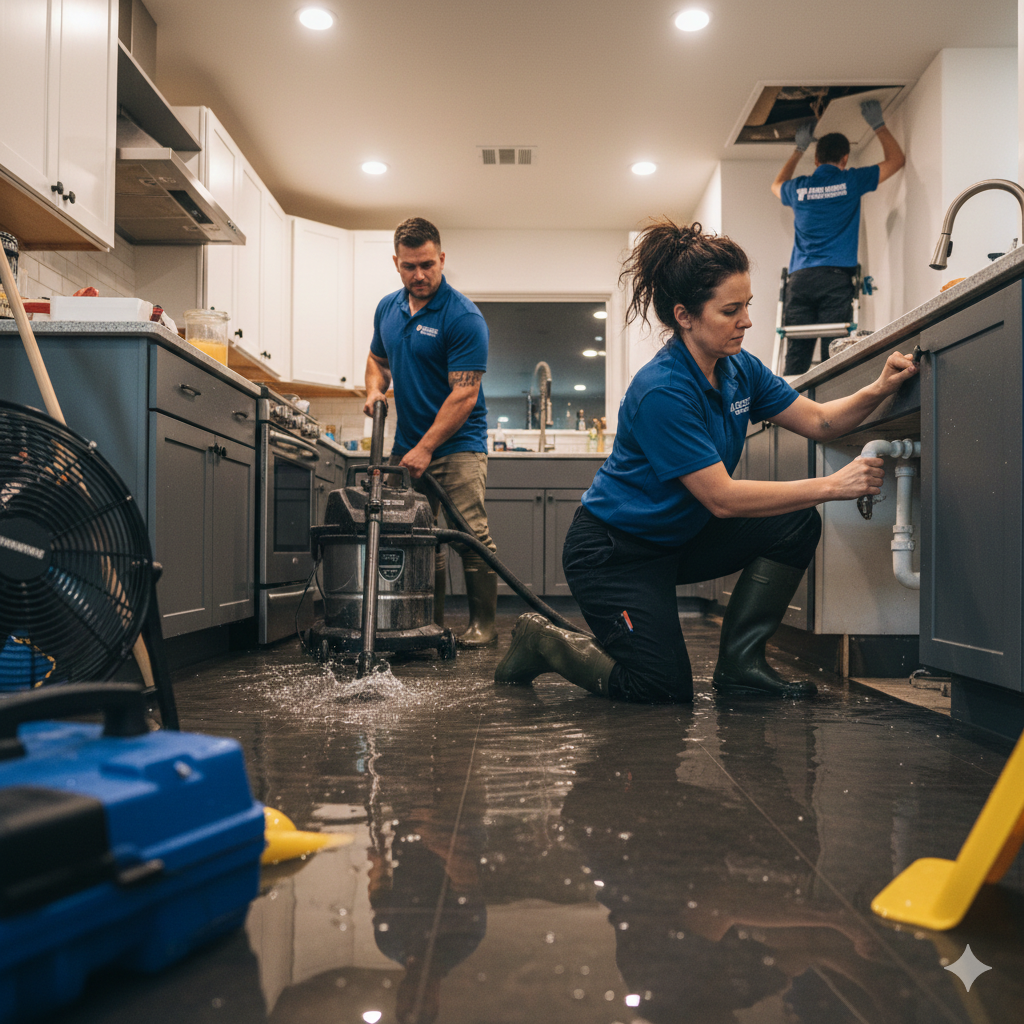
When a pipe bursts, sewer backs up, or a water heater fails, you need a technician who responds quickly and diagnoses the root cause on-site. Expect same-day or 24/7 availability, rapid isolation of the affected zone, and temporary containment (shutoffs, pumps, or tarps) before permanent repairs.
Technicians should provide clear options: immediate patch or replacement, parts and labor estimates, and an expected timeline. Ask about permits for major repairs, liability coverage, and whether they test the repair under pressure before leaving.
Bring photos, the appliance model, and recent service history when you call. That lets the plumber bring the right parts and reduce return visits.
Routine Maintenance
Routine maintenance prevents emergencies and extends equipment life. Common tasks include drain cleaning, trap and vent inspections, pressure-testing supply lines, water heater flushing, and checking backflow preventers.
Schedule inspections annually for water heaters and every 1–2 years for drains and sewer lines; high-use properties may need more frequent service. Request a written checklist of performed tasks and any recommended follow-ups.
Maintenance plans often include priority scheduling, discounted labor, and record-keeping that simplifies warranty claims and compliance with local codes.
Installation and Upgrades
Installations range from replacing faucets and toilets to full sewer-line replacement and commercial backflow systems. Upgrades can improve water efficiency, meet local code changes, or support new appliances like tankless water heaters.
Confirm the plumber handles permits and inspections when required. Ask for a written specification: materials, fixture models, warranty on parts and labor, and expected disruption (water shutoffs, demolition).
For energy and cost savings, consider low-flow fixtures, smart leak-detection devices, and high-efficiency water heaters. Request cost comparisons and estimated payback times to make an informed choice.