Thinking about a Heat Pumps Ottawa Ontario home? You can get reliable year-round heating and cooling that handles cold winters and warm summers while cutting energy use and accessing local rebates.
A properly sized cold-climate heat pump installed and maintained by qualified technicians will keep your home comfortable through Ottawa’s temperature swings and often lower your energy bills. This article will walk you through how these systems perform in Ottawa weather, what installation and maintenance involve, and how to choose the right professional service.
You’ll learn practical steps for assessing options, understanding upfront costs versus long-term savings, and finding licensed installers who offer warranties and rebate assistance so your switch to a heat pump goes smoothly.
Heat Pump Solutions in Ottawa, Ontario
You can choose from several heat pump types, gain efficiency and rebates, and must consider Ottawa’s cold winters when sizing and installing. Evaluate system type, backup heat, and installer credentials to match performance to your home.
Types of Heat Pumps Available
Ductless mini-splits: mount on walls and serve one or more zones without ductwork. They offer high seasonal efficiency (HSPF and SEER ratings matter) and are a common retrofit choice for older Ottawa homes with limited ductwork.
Ducted heat pumps: replace or integrate with existing forced-air systems and provide whole-house conditioning. Look for cold-climate models rated to operate efficiently below -20°C if you want reduced reliance on backup heat.
Hybrid (dual-fuel) systems: pair a heat pump with a gas/oil furnace. The control switches to the furnace at very low outdoor temperatures to maintain comfort and optimize fuel costs.
Ground-source (geothermal) heat pumps: use stable ground temperatures for very efficient heating and cooling but require higher upfront cost and excavation. Consider them if you plan long-term ownership and have suitable land.
Benefits of Installing Heat Pumps
You receive both heating and cooling from a single system, reducing equipment redundancy. Modern cold-climate units can provide reliable heat through most Ottawa winters, cutting electric or fossil fuel consumption compared with resistance heating.
Expect lower operating costs when the system is properly sized and matched to your envelope. You may qualify for provincial or federal rebates that reduce upfront price—check current Ontario programs for specific amounts and eligibility.
Heat pumps improve indoor comfort with more consistent temperatures and often include variable-speed compressors for quieter operation. They also reduce household carbon emissions compared with traditional fossil-fuel-only heating.
Local Climate Considerations
Ottawa’s winters can drop below -25°C on occasion, so prioritize cold-climate rated units with proven low-temperature performance. Confirm the manufacturer’s heating capacity at -15°C and -25°C to understand real-world output.
Plan for backup heat where necessary. Many homes use electric resistance or a gas furnace as auxiliary heat; hybrid systems can automate the switch to maintain comfort and control costs.
Insulation and air sealing significantly affect heat pump performance in Ottawa. Upgrade attic and wall insulation and tighten drafts before downsizing heating capacity—this reduces runtime and improves efficiency.
Choosing the Right Heat Pump
Have a certified HVAC technician perform a Manual J load calculation for accurate sizing based on your home’s envelope, orientation, and occupancy. Oversized units short-cycle and undersized ones struggle on cold days.
Compare efficiency ratings: SEER for cooling, HSPF or HSPF2 for heating, and look for low-temperature capacity data. Choose models with inverter-driven (variable-speed) compressors for smoother operation and better part-load efficiency.
Check local installer experience with specific brands and cold-climate installs. Verify licenses, references, and warranty terms for both equipment and labor. Finally, review available rebates and financing to align upfront cost with expected energy savings.
Professional Installation and Maintenance
You need a certified installer, routine checks, and clear warranty terms to ensure reliable year-round performance and to qualify for Ontario rebates. Prioritize licensed technicians, documented maintenance, and written support details.
Selecting a Qualified Installer
Choose installers who are licensed for HVAC work in Ontario and list experience with cold‑climate heat pump models rated for Ottawa winters. Ask for proof of trade certificates, municipal business license, and manufacturer training for the specific brand you plan to buy.
Request written estimates that break down equipment, labour, electrical upgrades, and permits. Compare at least three bids and verify references from recent Ottawa installations. Confirm the installer will handle rebate paperwork and any required EnerGuide or efficiency documentation.
Inspect their installation plan: setback and line‑of‑sight for outdoor units, correct refrigerant charge procedures, electrical panel capacity, and planned condensate/defrost routing. Get a timeline and a written service agreement that includes post‑installation commissioning and performance verification.
Maintenance Best Practices
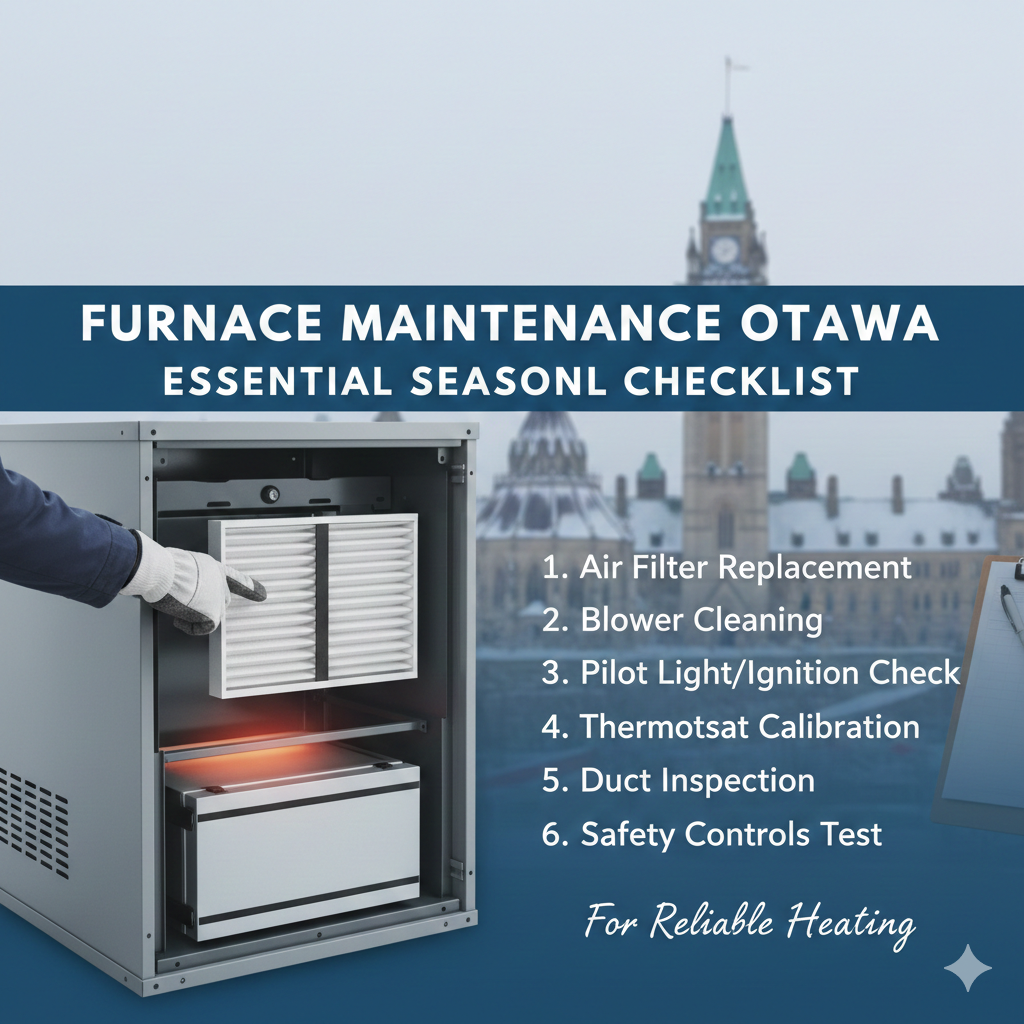
Schedule professional maintenance at least once per year; for cold‑climate systems you may need two visits (spring and fall). Technicians should check refrigerant levels, defrost control, reversing valve operation, fan motors, filters, and airflows.
You should replace or clean filters every 1–3 months depending on use and indoor air quality. Keep at least 0.5 m clearance around the outdoor unit, remove snow and ice buildup promptly, and clear vegetation during summer.
Keep a maintenance log with dates, technician notes, and parts replaced. Insist on written service reports and performance readings after each visit so you can track coefficient of performance (COP) and spot declining efficiency early.
Warranty and Support Information
Verify manufacturer warranty length for the compressor and heat exchanger, and confirm what labour coverage the installer provides. Ask whether warranties are transferable if you sell the house, and what actions (e.g., using certified technicians) are required to keep the warranty valid.
Get warranty terms in writing, including response times for warranty repairs and any out‑of‑warranty service rates. Note exclusions like corrosion from road salt or physical damage, and clarify who covers diagnostic fees for intermittent faults.
Record serial numbers, installation date, and commissioning report; submit registration to the manufacturer promptly to activate full coverage. Keep contact info for both installer and manufacturer support in your files for faster service calls.